



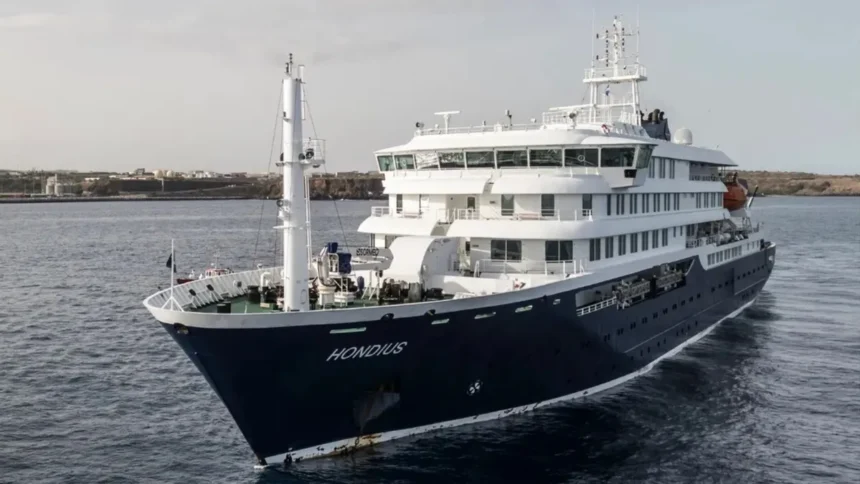

In May 2026, reports of a hantavirus outbreak aboard the MV Hondius cruise ship sparked concern online after health officials suggested human-to-human transmission may have occurred among passengers.
Following the announcement, social media posts widely claimed that hantavirus had never previously spread between humans and that the cruise ship incident marked the first known case of person-to-person transmission.
That claim is inaccurate.
Researchers have documented rare cases of human-to-human hantavirus transmission for decades, particularly involving a specific strain known as the Andes virus (ANDV).

What We Found
Scientists first identified evidence of person-to-person hantavirus transmission during an outbreak in Argentina in 1996.
Researchers later published studies concluding that the Andes virus strain had spread between infected individuals through close contact.
Additional outbreaks involving suspected human transmission were documented again in Argentina in 2018.
Health authorities investigating the 2026 MV Hondius outbreak said the same Andes virus strain appeared linked to the cases aboard the cruise ship.
How hantavirus usually spreads
Hantaviruses are primarily carried by rodents.
Most infections occur after people come into contact with:
- Rodent urine
- Saliva
- Droppings
- Contaminated dust particles
In most cases worldwide, hantavirus does not spread easily between humans.
However, researchers have long known that the Andes virus variant is an exception.
The Argentina outbreaks
A major study published in 1998 investigated a hantavirus outbreak in El Bolsón, Argentina.
Researchers concluded that multiple infected people had no known rodent exposure and instead likely contracted the virus from close contact with other infected individuals.
Later research analyzing hundreds of cases in Argentina found that a small percentage — around 2.5% — appeared linked to human-to-human transmission.
Another outbreak in Epuyén, Argentina, in 2018 also provided evidence of person-to-person spread. Researchers identified several “super-spreader” events connected to social gatherings and close physical interaction.
How does the Andes virus spread between people?
Studies suggest the Andes virus may spread through:
- Respiratory droplets
- Aerosolized virus particles
- Extended close contact
Researchers found transmission was most common among:
- Family members
- Couples
- People sharing living spaces
- Individuals spending long periods together indoors
Health experts emphasized that this type of transmission remains uncommon.
Experts say the risk remains low
Despite the cruise ship outbreak drawing attention, health organizations stated the overall risk to the wider public remained low.
The World Health Organization described person-to-person Andes virus transmission as rare and said infections generally occurred only among very close contacts.
Experts also stressed that hantavirus is far less transmissible than viruses such as COVID-19 or influenza.
The MV Hondius outbreak
As of May 2026, several suspected hantavirus cases had been linked to passengers aboard the MV Hondius, including multiple deaths.
Health authorities monitored passengers who returned to countries including Switzerland and the United States while the ship traveled toward the Canary Islands.
Investigators believed some transmission may have occurred between passengers sharing cabins or spending prolonged periods together onboard.
At the time, officials were still investigating the exact source of the outbreak.
The Bottom Line
Claims that hantavirus had “never” spread between humans before the 2026 cruise ship outbreak are false.
Researchers have documented rare cases of person-to-person transmission involving the Andes virus strain since at least the 1990s, primarily in Argentina.
While such transmission is uncommon, it was already scientifically recognized long before the MV Hondius outbreak.
Clarifact therefore rates the claim as False.